Can AI suffer?

TL;DR AI systems today cannot suffer because they lack consciousness and subjective experience, but understanding structural tensions in models and the unresolved science of consciousness points to the moral complexity of potential future machine sentience and underscores the need for balanced, precautionary ethics as AI advances. As artificial intelligence systems become more sophisticated, questions that…

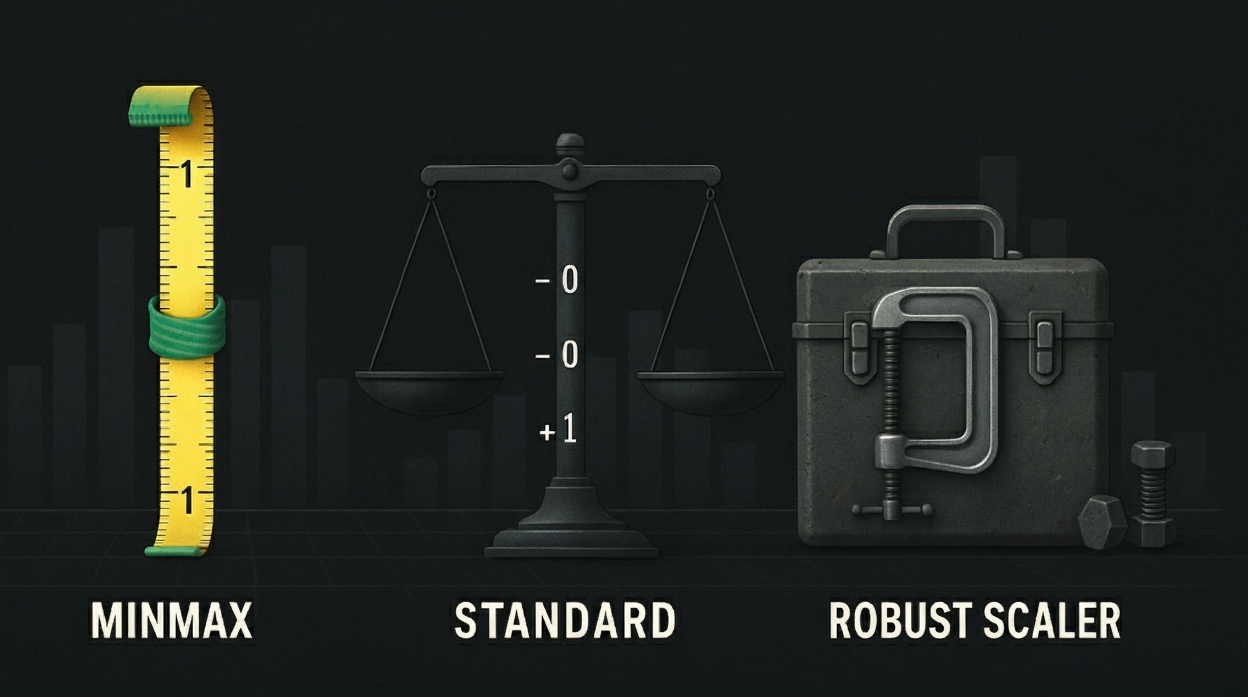
MinMax vs Standard vs Robust Scaler: Which One Wins for Skewed Data?

In this article, you will learn how MinMaxScaler, StandardScaler, and RobustScaler transform skewed, outlier-heavy data, and how to pick the right one for your modeling pipeline. Topics we will cover include: How each scaler works and where it breaks on skewed or outlier-rich data A realistic synthetic dataset to stress-test the scalers A practical, code-ready…

This Blog Post was Written by ChatGPT Atlas

Written by ChatGPT Atlas Agent in Squarespace TL;DR The post introduces ChatGPT Atlas, OpenAI’s new browser with built‑in ChatGPT and an agent mode, explaining how it autonomously drafted the article and highlighting key features like contextual assistance, end‑to‑end task automation, built‑in memory, more intelligent search, inline writing help, privacy controls, cross‑platform availability, split‑screen viewing and…

The brain power behind sustainable AI | MIT News

How can you use science to build a better gingerbread house? That was something Miranda Schwacke spent a lot of time thinking about. The MIT graduate student in the Department of Materials Science and Engineering (DMSE) is part of Kitchen Matters, a group of grad students who use food and kitchen tools to explain scientific concepts through short…